specialty advanced materials traceable arginine alpha-ketoglutaric conjugate

Bioprocessing depends strongly on a wide assortment of substrates for developing state-of-the-art biosolutions.
Securing environmentally mindful sourcing is paramount for the long-term viability and ethical growth of the industry.
diverse obstacles inherent in legacy sourcing approaches including environmental degradation and exploitation of natural resources. Therefore, biomanufacturing companies must actively seek out alternative sourcing strategies to minimize their ecological footprint.
- Samples of circular procurement methods cover:
- Leveraging biomass from food-processing residues
- Applying zero-waste frameworks to limit waste and optimize resource use
- Partnering with local suppliers committed to ethical sourcing practices
Moving toward responsible sourcing creates ecological improvements and economic resilience.
Upgrading Feedstock Traits for Better Biofuel Performance
Maximizing the efficiency of biofuel production relies heavily on the quality and composition of biomass feedstocks. Research teams persist in studying techniques to boost feedstock performance, delivering enhanced conversion and a more resilient energy mix. Methods encompass cellular engineering to augment biomass output and refining processes to liberate fermentable carbohydrates.
- Moreover, investigations target novel feedstocks like microalgae, municipal residues, and field residues to widen the pool of renewable biomass for biofuel use.
- Thanks to continuous exploration the sector is prepared to realize considerable strides toward an eco-friendlier energy mix.
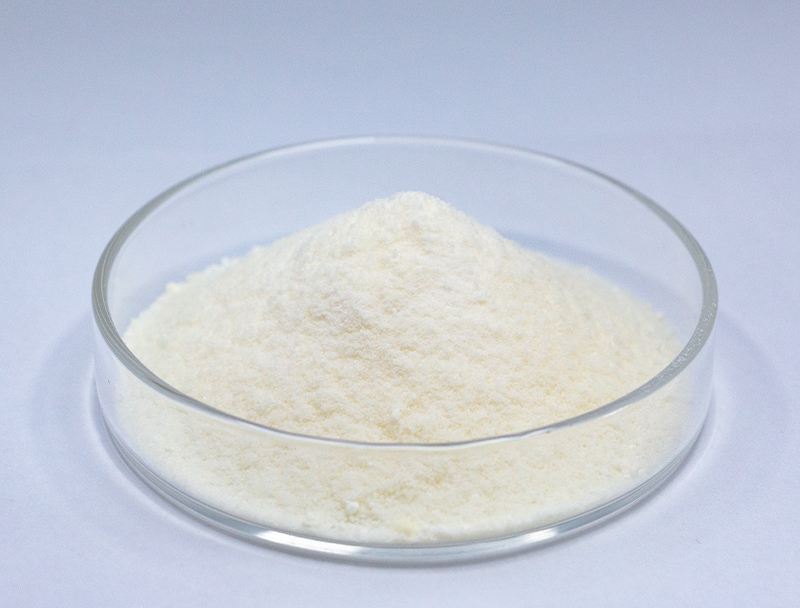
Transformations in Upstream Biopharma Workflow Design
includes primary operations from inoculation through cell collection Ongoing innovations have accelerated process enhancement leading to greater yields.
Salient improvements involve specialized expression hosts, fine-tuned media strategies, and next-gen bioreactor concepts. Such breakthroughs boost efficiency and simultaneously reduce manufacturing costs and carbon burdens.
- Furthermore, there is a growing trend towards continuous processing in upstream processing, allowing for increased flexibility over the production process.
- This transition to advanced manufacturing techniques is set to transform the sector and accelerate therapeutic timelines.
CRISPR and Beyond: Improving Biopharma Production
refinements in gene-targeting technologies have advanced protein production workflows. With exact genomic alterations, researchers improve host productivity for therapeutic manufacture. The strategy paves the way toward accessible, high-yield therapeutics across disease spectra.
Microbial Approaches to Effective Bioremediation
novel biological remediation techniques leveraging microbial metabolisms for pollution control. Certain microbes have capacities to biotransform contaminants into nonharmful forms.. Applying microbial remediation systems creates low-impact cleanup options that address contamination efficiently.. Research teams analyze microbial diversity to find candidates that metabolize heavy metals, break down pesticides, and treat oil-contaminated matrices.. Organisms may be utilized in controlled reactors or in place to accelerate contaminant decomposition through biodegradation..
Microbial remediation approaches present key benefits relative to classic remediation methods. Microbe-driven cleanup typically costs less and generates fewer dangerous byproducts. Concurrently, these solutions provide focused remediation without widespread environmental harm. The domain advances quickly, concentrating on raising reliability and performance of microbial cleanup methods.
Digital Methods Accelerating Pharmaceutical Discovery
Data-driven bioinformatics is critical for modern pharmaceutical innovation. By screening targets and refining candidate molecules, informatics drives faster, evidence-based development.
- By analyzing vast datasets of genomic, proteomic, and clinical data, bioinformaticians can uncover novel drug targets and predict the activity of potential therapeutics.
- Furthermore, computational modeling of drug–target interactions aids rational design of higher-performing therapeutics.
- To conclude, computational approaches are revolutionizing discovery and reducing time-to-patient for effective drugs.
Metabolic Engineering Strategies for Enhanced Bioproduct Synthesis
deploys several tactics to elevate cellular production of valuable biochemicals. Methods might combine targeted gene changes to rechannel flux, regulatory element design to control expression, and exogenous gene introduction to provide fresh capabilities.. Through strategic metabolic edits practitioners can markedly increase the synthesis of target products.
This comprehensive strategy could transform numerous sectors such as pharmaceuticals, farming, and renewable energy.

From Lab to Plant: Challenges and Opportunities in Biomanufacturing Scale-Up
Upscaling therapeutic manufacturing brings major obstacles along with promising prospects. Maintaining consistent product attributes with scale-up remains a central difficulty. This requires robust process control, precise monitoring, and sophisticated analytical techniques.

Another concern is that bioprocessing workflows are inherently complex and multi-staged.. Reengineering workflows for mass production involves rigorous R&D and inventive technology deployment.. Even so, the payoff can be large. Successful scaling up can lead to increased access of life-saving therapies, reduced production costs, and enhanced profitability.
Challenges are being addressed through a number of initiatives. Programs comprise advanced optimization systems, real-time process monitoring tools, and innovative production strategies.
- Developmental projects contribute critically to scaling manufacturing competency.
- Regulatory bodies are modernizing pathways to accelerate approval of advanced production technologies and support innovation.
Regulatory Considerations to Maintain Biopharmaceutical Safety and Performance
Manufacturing biopharmaceuticals entails detailed regulatory processes to copyright safety and clinical performance. Biologics sourced from living systems pose distinct regulatory and manufacturing complexities versus small-molecule drugs.
Bodies like FDA and EMA shape the regulatory landscape and set benchmarks for evaluating innovative therapies..
Extensive evaluation procedures are essential across development phases, spanning preclinical work to post-market checks.. The protocols serve to uncover safety concerns and certify that products fulfill rigorous protection standards..
Furthermore, regulatory bodies are constantly evolving their approaches to keep pace with the rapid advancements in biopharmaceutical research.. Measures involve adopting innovative technologies and enabling development acceleration without compromising patient welfare.
Plant-Derived Inputs for Next-Gen Bioplastics
The expanding market for green materials prompts increased R&D Sialic Acid into bio-based solutions. Among these, bioplastics, produced from plant-derived biomass feedstocks, offer a promising avenue towards a greener future. Biomass sources such as cornstarch, cellulose, and sugarcane are usable to produce plastics that biodegrade and reduce ecological impact.
Additionally, many plant-based bioplastics show performance characteristics similar to conventional plastics for numerous uses.. Continuous R&D will drive plant biomass into scalable bioplastic manufacture and help establish closed-loop material systems.
Biotech Contributions to Global Health and Crop Productivity
Biotech provides transformative capabilities that can change healthcare outcomes and strengthen food systems. Using genome engineering, synthetic biology techniques, and cell-based treatments, innovators devise ways to tackle pathogens, amplify yields, and improve nutrition.. One example is bioengineered crops that withstand pests and stressors, enabling higher yields with less pesticide input.. Similarly, biotech contributes advanced vaccines, antimicrobial strategies, and diagnostic techniques crucial for infectious disease management and health advancement.. As innovations mature, biotechnology can provide meaningful contributions toward global health and resilient food supplies for future generations.
Calcium alpha-ketoglutarate